



 The Middle East and Africa are in the middle of a historic data‑center expansion. Hyperscalers are building at unprecedented speed, sovereign cloud mandates are reshaping national digital strategies, and AI factories are emerging as the new engines of economic competitiveness. From Saudi Arabia’s giga‑projects to the UAE’s AI‑driven national transformation, the region is positioning itself as a global hub for digital infrastructure. Yet beneath this momentum lies a challenge that is far less visible than the cranes, concrete, and cooling towers rising across the region: a deepening shortage of specialized talent capable of designing, deploying, and operating the next generation of AI‑ready data centers.
This is not a shortage of general IT staff. It is a shortage of cross‑disciplinary, automation‑literate, cloud‑native, AI‑fluent engineers who can manage the complexity of modern digital infrastructure. As data centers evolve into high‑density, software‑defined, AI‑powered environments, the expertise required to build and operate them has become far more specialized. The region’s talent pipeline is struggling to keep pace with the speed of infrastructure growth, and the consequences are already visible.

Daikin’s Serdar Lulecioglu, Consultant for Business Development in Data Centers, describes the issue with striking clarity. He explains that the skills shortage “cause project delays… flawed design decisions, improper equipment sizing, and integration challenges,” noting that modern cooling systems and dynamic power infrastructures demand significantly higher levels of expertise than traditional facilities. According to Lulecioglu, the impact extends beyond deployment timelines. Operational inefficiencies arise when teams lack the skills to adopt automation and data‑driven tools, leading to reactive maintenance and increased risk of service interruptions. In his view, the region is missing critical opportunities to improve cybersecurity and energy efficiency simply because the expertise to optimize these systems is not yet widespread.
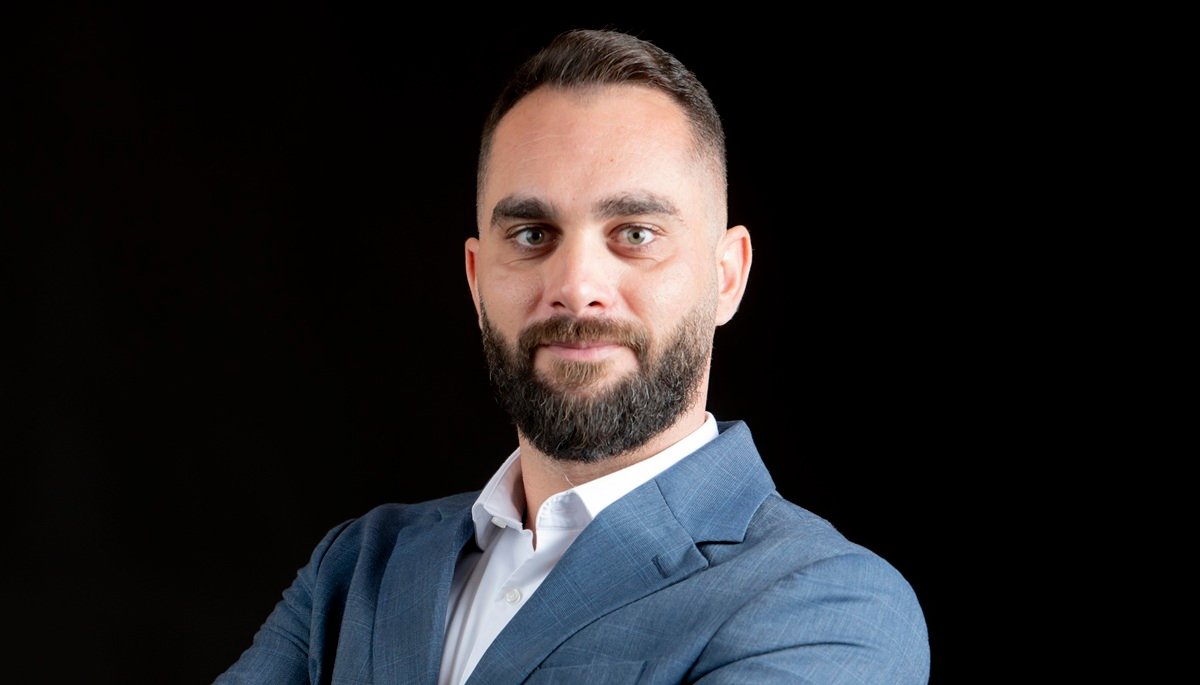
Moath Shanaah, Business Development Manager at Danfoss – Data Centers, TMA region, sees similar challenges in high‑density AI environments. He notes that skills shortages are “impacting deployment timelines and operational resilience,” particularly as AI‑driven data centers require advanced cooling, power, and reliability expertise. Shanaah emphasizes that without certified engineers, achieving international design and facility certifications becomes difficult, and meeting stringent SLAs becomes a challenge. The region is addressing this gap through imported expertise and partnerships with global technology leaders, but the long‑term solution requires local capability development. As he puts it, the region must invest in knowledge transfer and training if it hopes to keep pace with the demands of AI‑ready infrastructure.
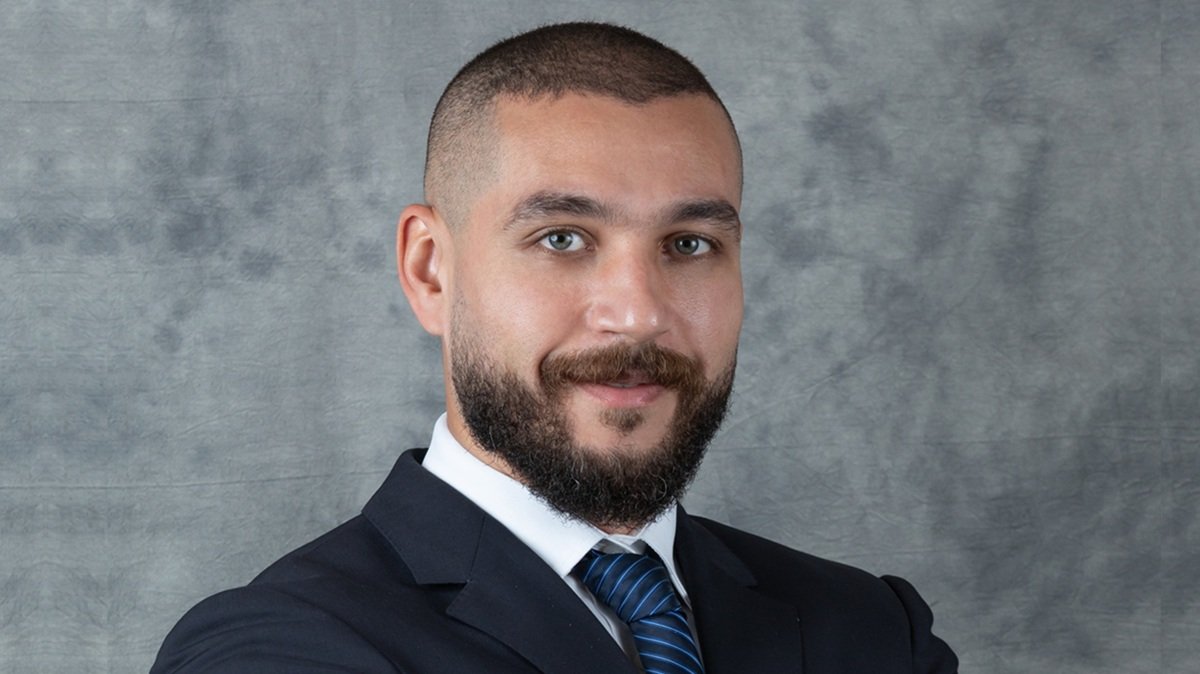
From a networking and cloud‑operations perspective, HPE Networking’s Ahmed ElSayed, Channel Sales Lead for the Middle East and Africa, warns that automation, cloud, and AI‑ready infrastructure require a fundamentally different skill set than traditional server and storage administration. He explains that modern data centers demand expertise in infrastructure‑as‑code, software‑defined networking, container orchestration, and AI data pipelines. The result, he says, is slower deployment cycles, inconsistent operational practices, higher risk of configuration errors, and underutilized technology investments. In sectors such as energy, finance, and government—where uptime and compliance are non‑negotiable—these gaps can delay projects and increase exposure to security and regulatory risks. ElSayed stresses that enabling partners and customers with practical, role‑based skills is central to HPE’s regional strategy because the region’s digital ambitions cannot be realized without a workforce capable of operating modern infrastructure.
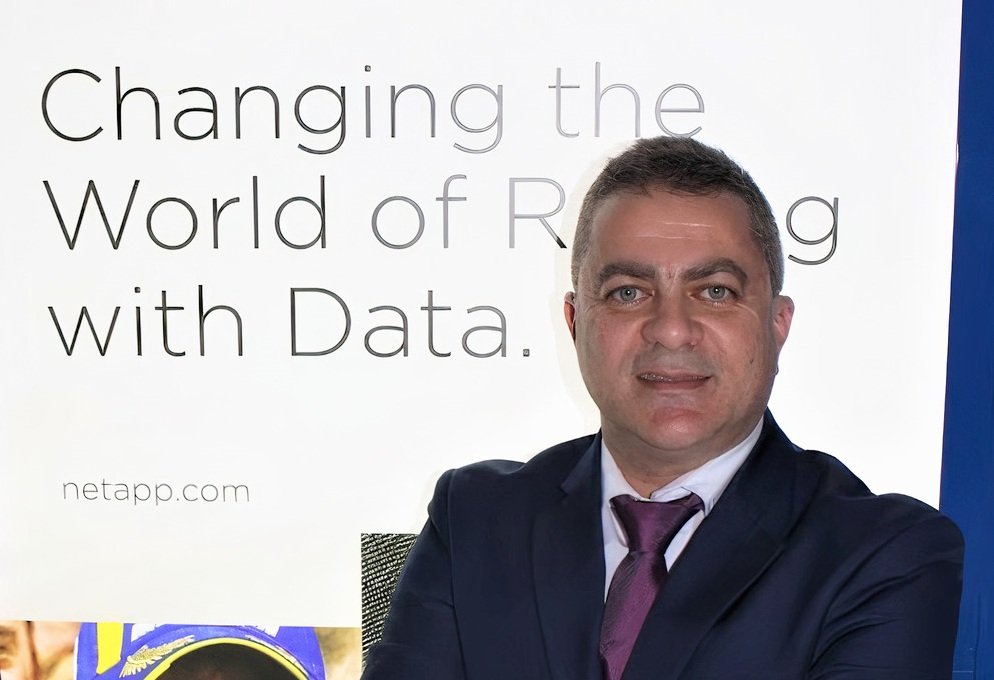
NetApp’s Walid Issa, Senior Manager for Solutions Engineering in the Middle East and Africa, highlights the operational consequences of the talent gap. He notes that NetApp’s Data Complexity Report found that 79 percent of technology leaders view data unification as vital, yet many organizations struggle with siloed systems and lack the expertise to manage them effectively. Issa explains that this shortage “slows deployment, spikes operational risk and forces IT teams to manage complex ‘plumbing’ instead of focusing on actual innovation.” As AI and automation become central to business strategy, the inability to manage data efficiently becomes a major barrier to progress. Issa believes that simplifying operations through intelligent automation and unified management is essential for helping organizations operate securely and efficiently even with lean teams.
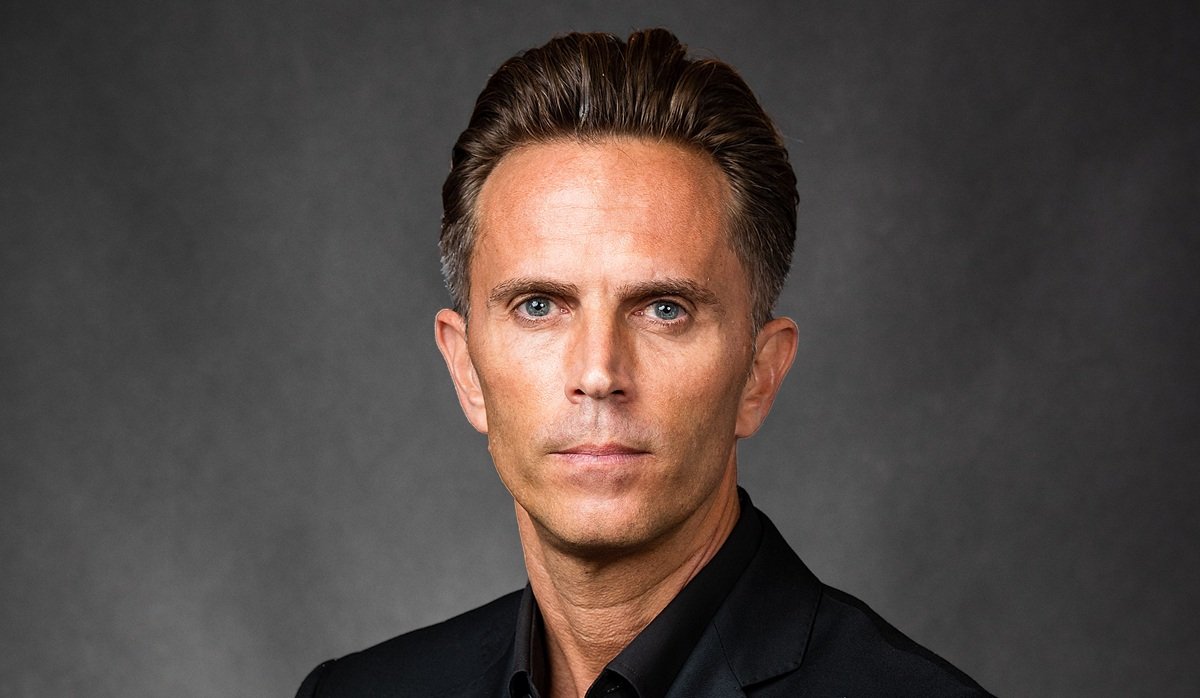
For NVIDIA, the challenge is even more acute. Marc Domenech, Vice President, Enterprise, META & Southern Europe at NVIDIA, describes the shift from traditional data centers to AI factories as a fundamental architectural transformation. He explains that the region’s push for AI sovereignty has created a surge in demand for architects who understand “the full stack, from InfiniBand networking to GPU clusters.” Domenech emphasizes that the shortage is not in general IT talent, but in accelerated‑computing expertise—engineers who can optimize hardware and software in tandem for maximum AI performance. These skills are essential for training large language models, deploying inference at scale, and building sovereign AI capabilities. Domenech sees this as an opportunity for the region to redefine its capabilities, but only if it invests aggressively in training and ecosystem development.
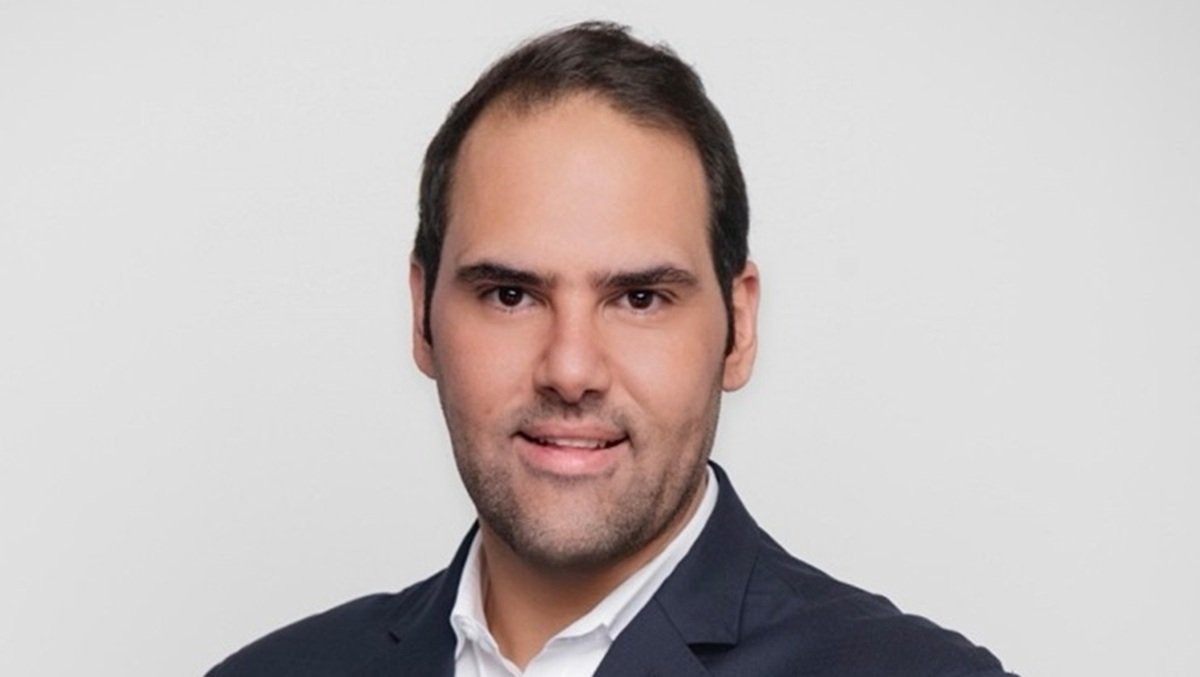
Schneider Electric’s Hady Stephan, Vice President for Secure Power and Data Center Business in MEA, highlights that global talent shortages are affecting the design, construction, and operation of AI‑ready facilities. He explains that as data centers rapidly expand, the region must rely on digital training, remote expertise, and automated platforms to streamline deployment and enhance workforce capabilities. Stephan notes that Schneider Electric is focused on accelerating organizational readiness for future‑ready data‑center growth, particularly as facilities become more software‑defined and AI‑driven. He believes that digital twins, simulation tools, and prefabricated modules will play a critical role in helping organizations scale even when specialized talent is scarce.
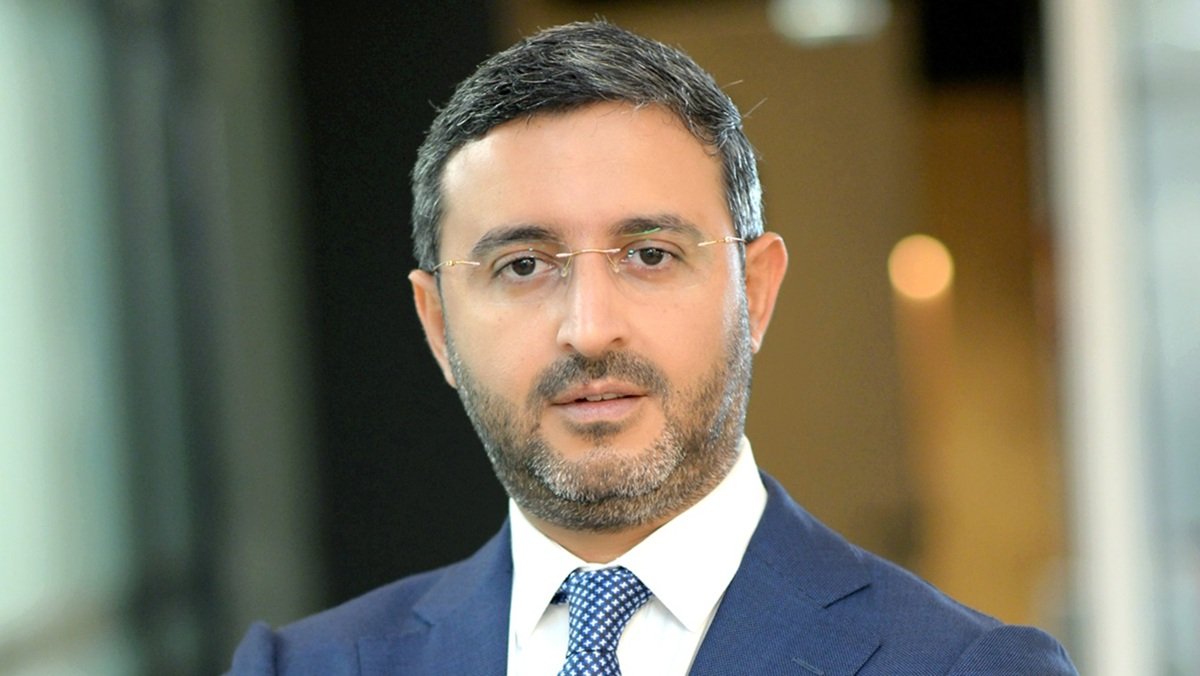
Vertiv’s Mahmoud Abdelmoneim, Sales Director for the Middle East and Levant, echoes this sentiment. He explains that technology across automation, cloud, and AI‑ready infrastructure is progressing at a tremendous pace, and training talent at the same speed requires thoughtful, long‑term planning. With data‑center infrastructure set to grow rapidly through large‑scale projects, Abdelmoneim stresses that the industry must work together to bridge the talent gap and support the expertise needed to deliver projects efficiently and on time. He believes that continuous learning, hands‑on training, and managed services will be essential for helping organizations operate modern infrastructure with confidence.
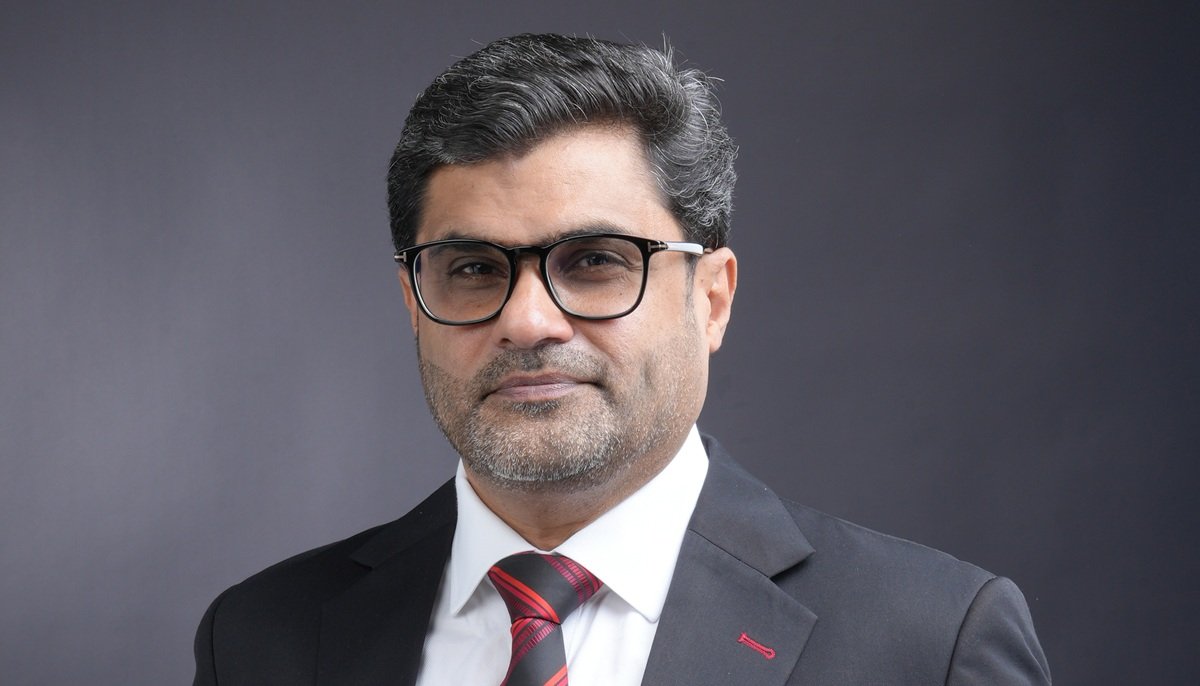
Western Digital’s Owais Mohammed, Regional Lead and Sales Director for the Middle East, Africa, Turkey, and the Indian Subcontinent, points to the UAE as a prime example of a market where data‑center expansion is outpacing the available talent pool. He explains that demand for engineers skilled in automation, cloud architecture, and AI‑ready infrastructure far exceeds supply, slowing deployment timelines and driving up operational costs. Mohammed emphasizes that bridging this gap requires investment in workforce development, ecosystem partnerships, and infrastructure platforms designed to reduce operational complexity. He believes that solution‑validation labs and real‑world workload testing environments are essential for helping partners build confidence in deploying AI‑ready storage infrastructure.
Despite the challenges, the industry is responding with aggressive upskilling, ecosystem partnerships, and new operational models. Daikin is simplifying complexity through advanced selection software that matches units to each project’s technical and operational requirements. Danfoss is investing in R&D‑driven innovation, training, and knowledge transfer. HPE Networking is building role‑based learning journeys, hands‑on labs, and cloud sandboxes. NetApp is expanding its Learning Services division with certifications in hybrid cloud, automation, AI, and cyber‑resilience. NVIDIA is partnering with national institutions to train thousands of engineers in accelerated computing and quantum development. Schneider Electric is equipping partners through certifications, digital twins, and prefabricated modules. Vertiv is expanding its training ecosystem through the Vertiv Academy and managed services. Western Digital is enabling partners through solution‑validation labs and architecture guidance.
Across all eight organizations, a consistent message emerges: the skills gap is now the biggest barrier to data‑center growth. The Middle East is building some of the world’s most advanced data centers—AI factories, sovereign clouds, hyperscale campuses, and high‑density edge facilities. But infrastructure alone is not enough. The region must cultivate the workforce capable of designing, operating, and securing these environments.
The leaders featured in this story are not just technology providers; they are educators, ecosystem builders, and long‑term capability partners. Their message is clear: the next phase of the Middle East’s digital transformation will be defined not by hardware, but by human expertise. And the race to build that expertise has already begun.