


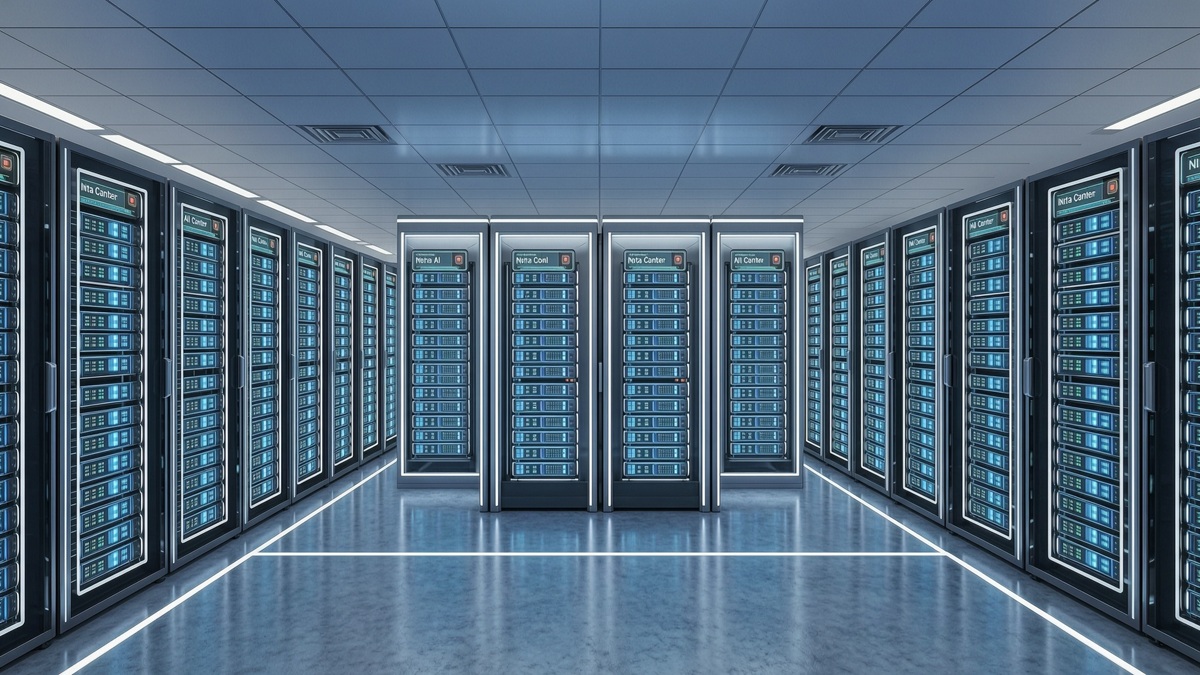
 As AI pushes power, density and data demands to new levels, regional leaders say networking, storage, cooling and security must be designed as one system across the region’s data centers.
Walk into a modern data center in the Gulf and the servers are not what strike you first. It is the power, the heat, and the density of the cabling feeding racks that didn’t exist in this form five years ago. The region’s ambition to become an AI hub is turning data centers from quiet back-end facilities into strategic national infrastructure. As AI, cloud and high-performance computing push traffic to unprecedented levels, the network connecting it all has moved from supporting role to centre stage.
Across the region, the message from the industry is consistent. The data center is now a single system, and every layer, from power and cooling to networking and storage, has to keep pace.
A Kingdom builds at scale
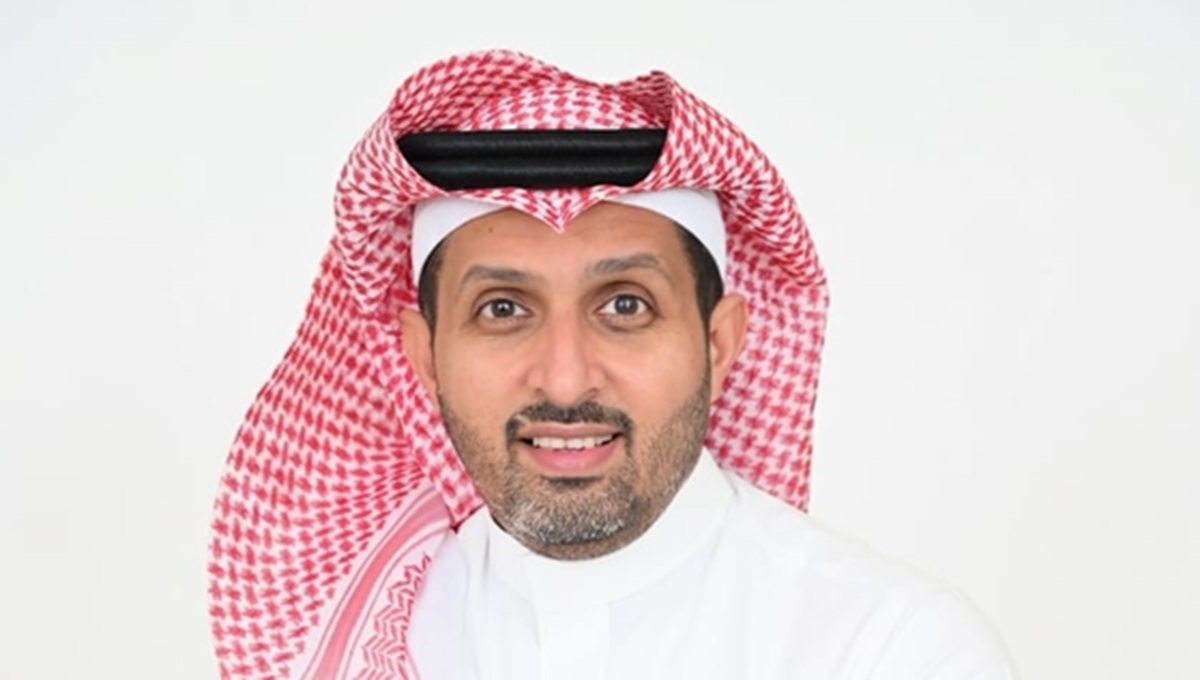
Nowhere is the scale clearer than in Saudi Arabia, where, according to Etihad Salam Telecom (Salam), the National Data Center Strategy targets up to 1.5 GW of capacity by 2030. Operators are answering by treating connectivity as seriously as capacity. Abdullah Khorami, Chief Business Officer at Salam, says: “We are building data center networking around interconnection, not just capacity. Salam operates six data centers across Saudi Arabia, including Riyadh, Jeddah and Al Khobar, linked by a 19,000-plus-kilometre fibre network and international cable landing stations in Al Khobar and Jeddah, with access to the Saudi Internet Exchange. That gives AI, cloud and enterprise workloads diverse, low-latency routes in and out. Our edge architecture processes data where it is generated, cutting latency and enabling real-time decisions. Customers don’t want separate vendors for connectivity, cloud and cybersecurity; they want one accountable partner and integrated ecosystems. We treat security as architecture, not an accessory, because strong infrastructure is measured not solely by speed, but by resilience.”
Salam also cites analyst projections of roughly 29% annual growth in the Kingdom’s data-center IT power load through the decade, a reminder that the build-out is only beginning.

Racks, power and the physics of AI
Inside the facility, AI is rewriting the rules of density. A single AI rack can demand far more power and shed far more heat than traditional enterprise equipment, so vendors are designing compute, networking, storage and cooling as one. Samer Jayyusi, Specialty AI & GenAI Regional Lead for CEEMETA at Dell Technologies, explains: “As AI and high-performance workloads move into production, enterprises are shifting toward integrated server and rack-scale architectures. Dell is bringing compute, networking, storage and cooling together through solutions such as PowerRack, engineered for dense AI and HPC workloads. Businesses face fragmented environments, too many tools and handoffs, and too little end-to-end visibility, so we treat infrastructure as a fully connected environment rather than separate silos. Looking ahead, AI workloads will span the data center, cloud, edge and AI PCs, which makes workload placement based on performance, cost, latency, privacy and governance increasingly important. Ultimately, success requires a unified approach that aligns with long-term business resilience.”
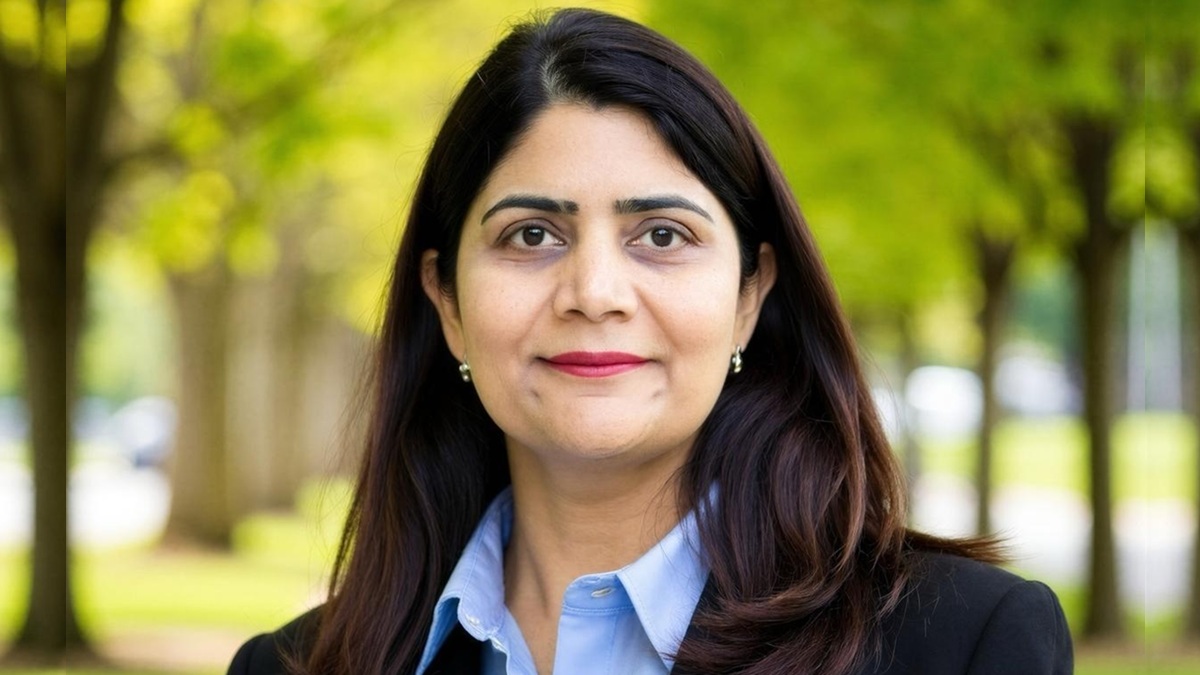
Meenal Sanjeev Madavi, CEO, Power & Cooling ME, argues: “Networking can no longer be treated as an isolated layer; it has become a critical part of the overall data center architecture. We look at power, cooling, racks, connectivity, monitoring and physical infrastructure together, so the network can support the density, speed and resilience that modern workloads require. Customers don’t want to build infrastructure today that becomes a constraint two or three years from now. Resilience is not simply redundant equipment; it is an ecosystem that is designed, monitored, maintained and continuously optimized for business continuity. The organizations that will succeed are those that design for this convergence today, rather than trying to retrofit it later.”
Feeding the GPU
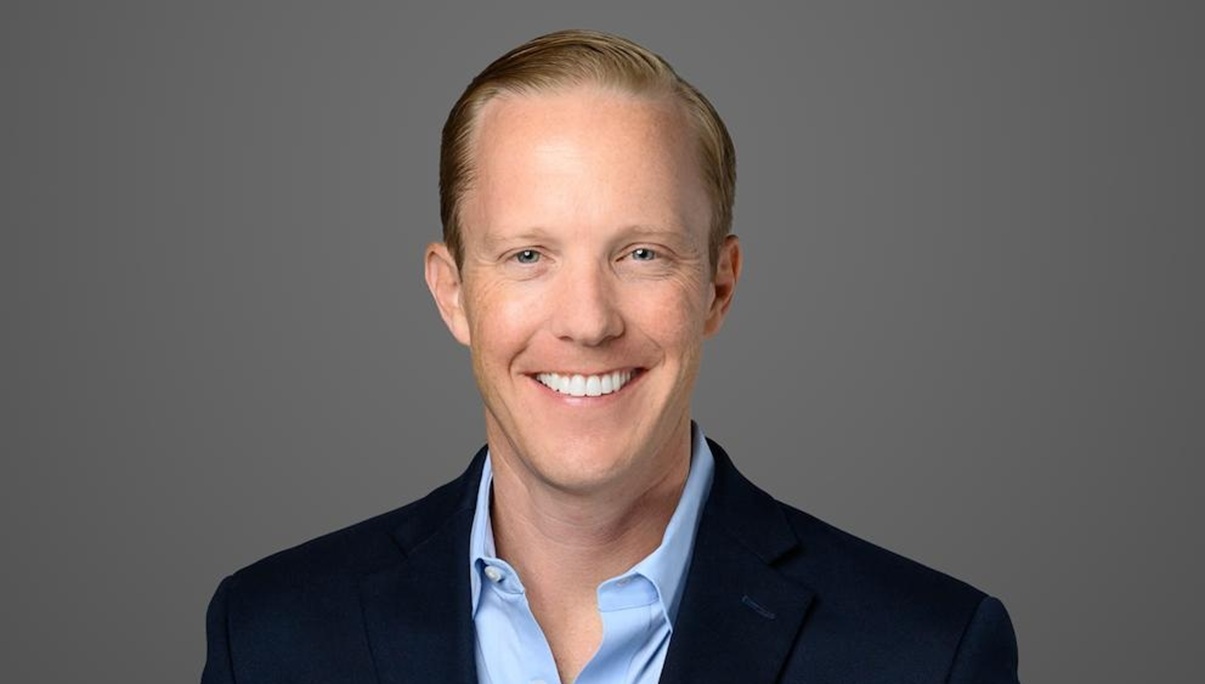
Fast networks and expensive accelerators mean little if data cannot reach them quickly enough, which has pulled storage and data movement into the networking conversation. Matt Swalley, Senior Director, Marketing at VDURA, puts it bluntly: “Compute gets the headlines, but in AI data centers the real bottleneck is often how fast and efficiently data reaches the GPU. Every idle GPU is wasted capital. Organizations invest heavily in GPUs and fast networks, then find storage can’t keep pace, whether during training checkpoints or when recalling context at inference scale. For Middle East customers building sovereign AI, end-to-end encryption with customer-held keys keeps data protected and under local control. The bigger shift is performance per watt: power is now the hard limit on how many GPUs a site can deploy, so every watt storage consumes is a GPU you can’t rack. The region’s sovereign AI build-out will favor platforms that pair efficiency with durability and predictable cost.”
Moving data across environments is the other half of the problem. Chalan Aras, SVP and GM of Acceleration at Riverbed, says: “AI projects can have ample compute yet still perform slowly, because training datasets, application data and inference content are spread across data centers, cloud and the edge. Riverbed Data Express is designed to move data to the workloads, and we claim delivery up to 10x faster than traditional solutions, with egress costs reduced by up to 90%. The biggest shift will be the convergence of AI infrastructure, data infrastructure and networking: compute is only as useful as the data it can access. Hybrid AI infrastructure must also meet security, governance and data sovereignty requirements. Partners should ask where data resides, where training or inference will take place, and what transfer windows and sovereignty constraints apply.”
Both point to sovereignty. Customer-held encryption keys and clear rules on where data resides are becoming design requirements rather than afterthoughts in the region’s AI plans.
The channel’s moment
The channel sits between vendors and end customers, now asked to do more than ship boxes. Mostafa Kabel, CTO and GM of Mindware, describes the distributor’s role: “At Mindware, we approach networking as part of the complete AI and cloud infrastructure, alongside compute, storage and security. We help partners design architectures with higher bandwidth, lower latency, and effective congestion management. Customers often face fragmented infrastructure, limited visibility, and skills gaps, so we support technical assessments, solution design, proof of concept, and deployment, and we strengthen partners through training. I believe Ethernet fabrics designed for AI, higher-speed connectivity and automation will have the greatest impact. As GPU environments expand, managing congestion becomes critical, while real-time telemetry helps teams spot issues earlier. Across the Middle East, demand for sovereign AI infrastructure will also influence architecture decisions, alongside power efficiency and operational simplicity.”
Asif Ash-Hal, Lead Solution Architect at TechBridge MEA, focuses on the technology partners will be specifying: “Modern data center networking should be high-bandwidth, low-latency, scalable and AI-ready. Customers mainly struggle with scalability, performance, complexity, security and availability, especially as workloads spread across data centers, cloud and hybrid environments. We help them design resilient architectures with centralized management, automation, network segmentation and integrated security. AI and HPC will demand higher bandwidth, lower latency and more efficient east-west traffic management, driving greater adoption of 400G and 800G networking, high-performance fabrics and intelligent automation. Segmentation and zero-trust principles will keep these environments secure. In a nutshell, the future data center will be high-speed, AI-optimized, highly automated and security-driven, with networking playing a far more strategic role.”
Renton D’Souza, Managing Director, Gulf at Westcon-Comstor, adds a measure of success: “AI is changing what organisations expect from their networks. Success is no longer defined by bandwidth alone, but by consistent performance, the ability to support growing workloads and a reliable user experience. Through our ecosystem of channel partners, we help customers build scalable, resilient infrastructure for AI, cloud and data-intensive applications while controlling costs. We help partners deploy solutions with greater visibility, resilience and flexibility, so networks remain secure, predictable and easier to manage. The biggest shift is that networks are increasingly designed around AI workloads rather than traditional IT applications. Success will be measured by outcomes such as application responsiveness, user experience and overall AI performance, and network architecture will be recognised as a strategic contributor to business outcomes.”
What comes next
The starting points differ. Salam sees interconnection and edge, Dell and Power & Cooling see rack-scale integration and the physics of power and cooling, VDURA and Riverbed see data as the real constraint, and the channel sees a chance to lead more strategic conversations with customers. Yet the direction of travel is the same.
Ethernet and optical speeds are climbing toward 400G and 800G. Automation and AI-assisted operations are becoming essential as environments grow more complex. Security is becoming part of the network fabric. Sovereign AI is shaping where and how the region builds infrastructure.
The practical takeaway for partners and customers is to plan the data center as an ecosystem rather than a shopping list. The winners in the Middle East will be those who design for convergence now, rather than retrofit it later.