

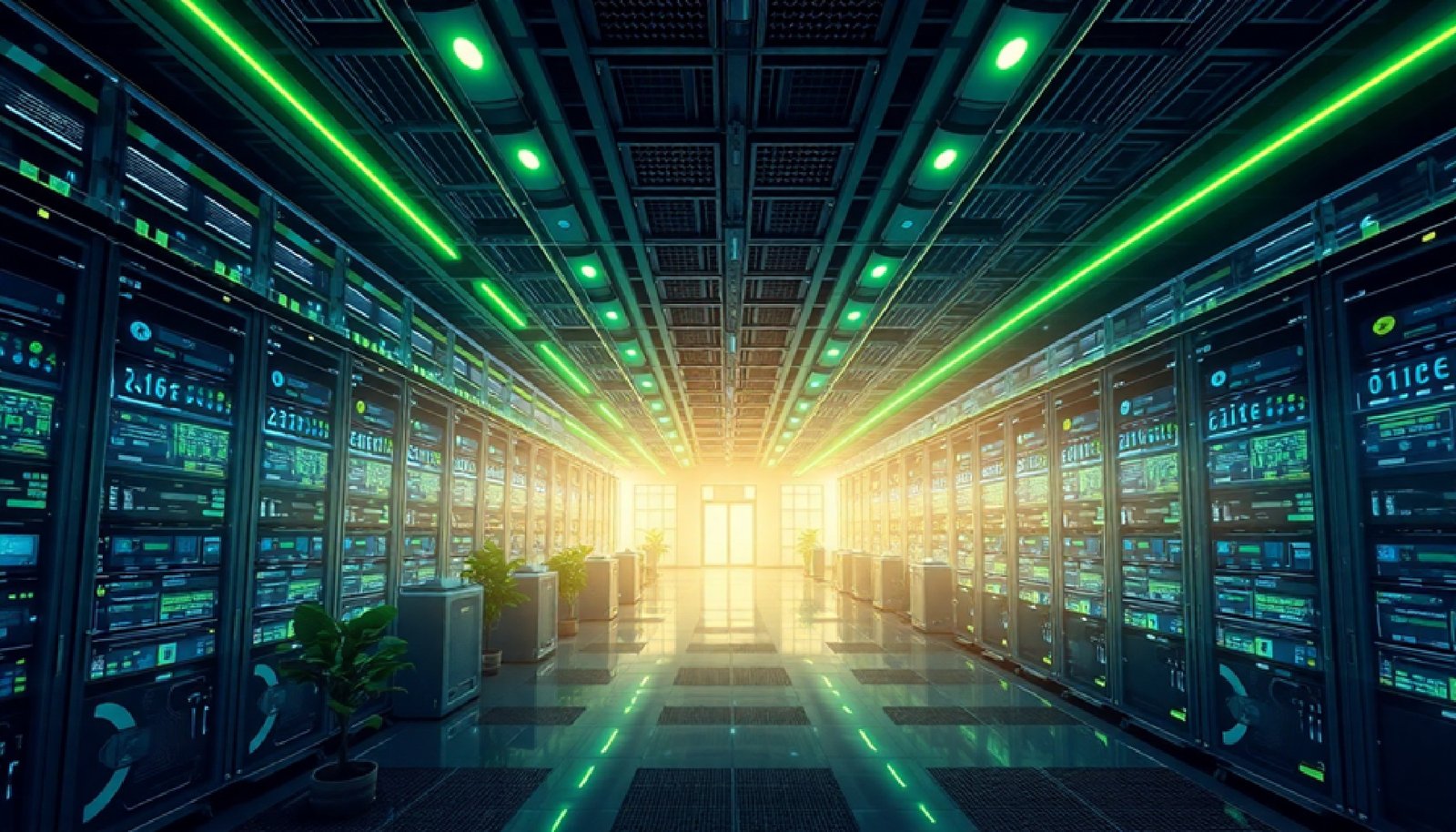
The digital economy across the world is powered by data centers, which form the backbone of cloud services, artificial intelligence, digital government platforms, financial systems, and next-generation applications. As data volumes surge and AI workloads scale rapidly, capacity expansion has become a strategic priority for governments and enterprises alike. Nowhere is this more evident than in the Middle East and Africa (MEA), where the region is witnessing unprecedented momentum in data center capacity building. Several large-scale projects are already underway, with many more hyperscale, edge, and sovereign data center developments announced and scheduled to go live over the next few years.
The MEA data center market is entering a period of rapid transformation, with investments expected to propel the sector from USD 8.63 billion in 2024 to USD 19.89 billion by 2030, representing a robust compound annual growth rate (CAGR) of 14.9%, according to the Middle East & Africa Data Center Market Landscape 2025–2030 report by ResearchAndMarkets.com.
National AI strategies, sovereign cloud initiatives, hyperscale expansion, and the rise of edge computing are driving unprecedented demand for high-performance, energy-efficient, and resilient infrastructure. Cooling, power availability, and energy management have become critical priorities as sustainability targets and grid constraints shape every new deployment.
Saudi Arabia and the UAE are leading the region’s digital infrastructure push through investments in hyperscale campuses, AI factories, and microgrid-enabled facilities. Across MENA, enterprises are seeking modular, scalable, and intelligent data center architectures that balance performance, cost efficiency, and sustainability—positioning the region as a global hotspot for next-generation digital infrastructure.
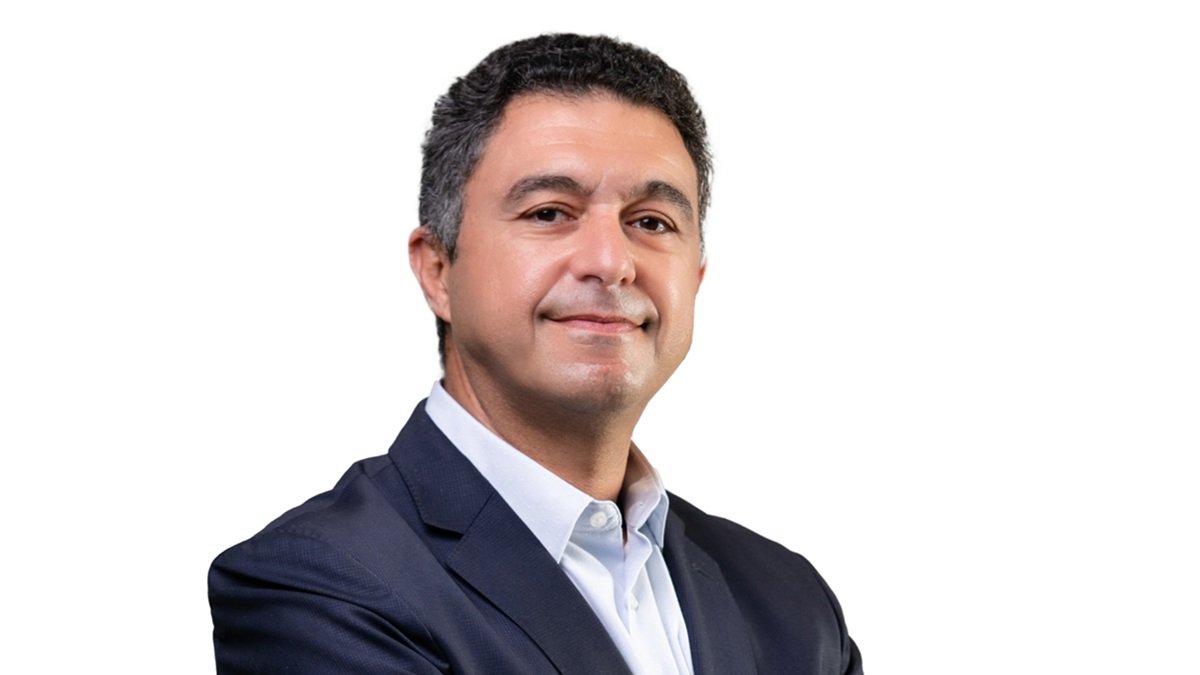
Schneider Electric: “Sustainable AI-Ready Infrastructure at Scale”
Middle East data center demand in 2026 will be heavily influenced by AI adoption, hyperscale deployments, and energy efficiency imperatives. “Our focus at Schneider Electric is enabling enterprises to build modular, high-performance, and energy-efficient facilities that meet evolving AI workloads,” says Walid Sheta, President of the Middle East & Africa Zone at Schneider Electric. “Cooling often consumes 40% of a data center’s power budget, so liquid cooling solutions improve energy efficiency, reduce operational costs, and help organizations meet sustainability goals. Through acquisitions like Motivair, we provide end-to-end solutions from power distribution to advanced cooling. Additionally, microgrid solutions such as Villaya Flex are enabling off-grid energy reliability in Sub-Saharan Africa. By integrating localized manufacturing, strategic AI factory designs with partners like NVIDIA, and next-gen battery systems, we empower enterprises to scale AI sustainably while addressing energy, reliability, and digital sovereignty requirements in a rapidly evolving market.”

DDN: “AI Factories and Inference-Optimized Architectures”
As AI moves from experimentation to production at scale, data centers must deliver consistent, high-performance workloads across cloud, on-prem, and sovereign environments. Sven Oehme, CTO at DDN, emphasizes, “Enterprises are increasingly deploying sovereign AI and high-density AI factories to ensure predictable performance per watt. Our approach delivers media-independent, self-optimizing data architectures that maximize GPU utilization while reducing energy waste and dependency on NAND. This enables businesses to scale AI seamlessly across multiple environments without redesigning data pipelines. We are also tackling inference challenges to reduce watts per token, allowing organizations to deploy AI at scale efficiently. By offering adaptive architectures and turnkey solutions, DDN helps data centers meet operational and sustainability objectives, ensuring that AI-driven innovation can be achieved without compromising performance, flexibility, or regulatory compliance in 2026.”
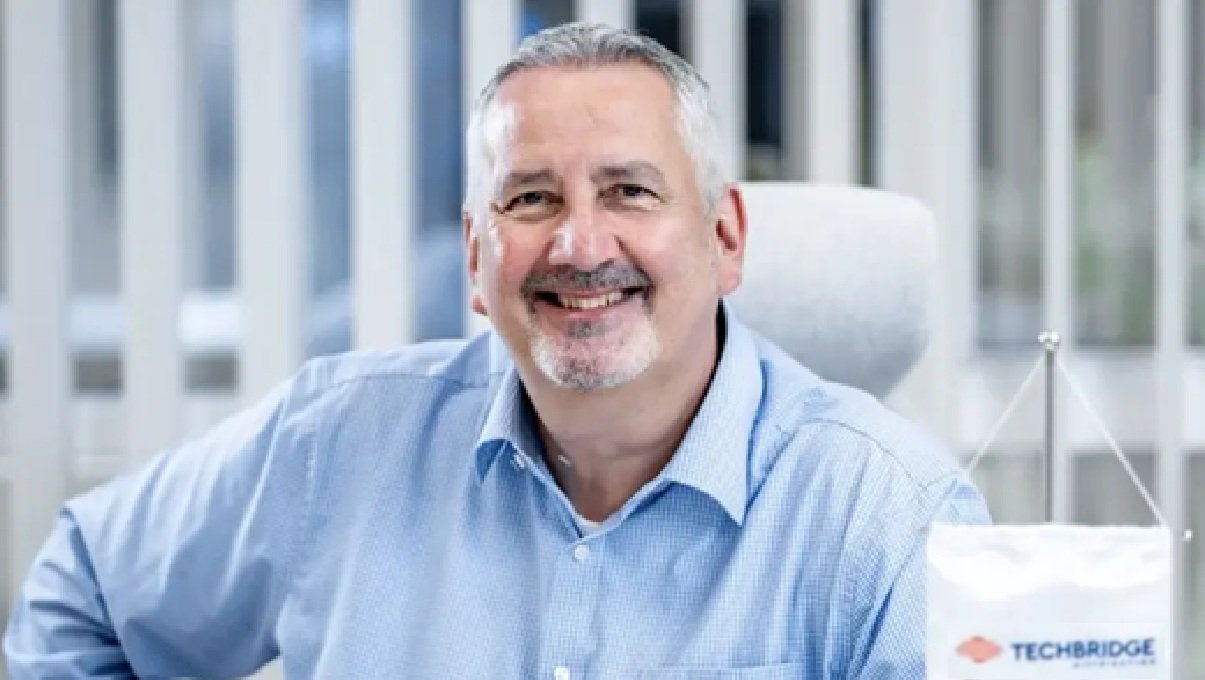
TechBridge Distribution MEA: “AI- and Cyber-Ready Data Centers”
The MENA region’s 2026 data center trends are shaped by AI, cloud, and cybersecurity needs. “National AI agendas, data sovereignty mandates, ransomware resilience, and sustainability are driving enterprise and partner investments,” says Steve Lockie, Managing Director of TechBridge Distribution MEA. “Our partners leverage scalable, software-defined stacks like Sangfor HCI and immutable backup storage from Object First to build AI- and cyber-ready data centers efficiently. We provide presales advisory, training, and marketing support to help enterprises migrate, design, and deploy compliant, resilient solutions. By focusing on consolidation-first designs, simplified deployment, and cost-effective alternatives, we ensure data centers meet power, cooling, space, and regulatory challenges. Our goal is to empower regional partners to deliver high-performance infrastructure aligned with local regulations while maintaining agility and resilience in the AI era.”

Dell Technologies: “Flexible AI and Edge Infrastructure”
AI, edge computing, and 5G are key drivers of data center investment in 2026, requiring solutions that support high-density workloads and energy efficiency. “Our strategy focuses on scalable, energy-efficient infrastructure that enables enterprises to manage AI workloads and complex hybrid deployments,” says Samer Jayyusi – Specialty AI & GenAI Regional Lead – CEEMETA, Dell Technologies. “Intelligent cooling, modular infrastructure, and automated management improve operational flexibility and sustainability. By embedding AI into management tools, we help organizations optimize resource usage and achieve faster, more reliable deployment of AI workloads. Enterprises can scale confidently while maintaining compliance, safeguarding sensitive data, and achieving sustainability targets. Flexible, AI-powered data center solutions will allow businesses to balance immediate performance needs with long-term resilience, ensuring competitiveness in a market defined by rapid technological evolution and rising energy constraints.”

Eaton: “Modular, Scalable Power and Cooling Solutions”
AI and hyperscale deployments are pushing MENA data centers to their operational limits. Rich Farrell, Commercial Director, Middle East and Africa Digital Infrastructure, Eaton, explains, “Gigawatt-scale campuses, high-density racks, and unpredictable compute requirements are driving demand for modular, integrated solutions. Eaton delivers IT modules, cooling skids, and power systems for rapid deployment with on-site service support. Our grid-interactive and DC-ready architectures enable renewables integration and compliance, meeting performance and sustainability goals. Microgrid solutions optimize distributed energy resources, ensure stable operations under grid constraints, and facilitate renewables adoption. By providing modular, factory-built solutions, we help enterprises scale reliably while addressing energy efficiency, space limitations, and operational complexity. This approach positions MENA data centers to handle AI-driven workloads sustainably and cost-effectively.”
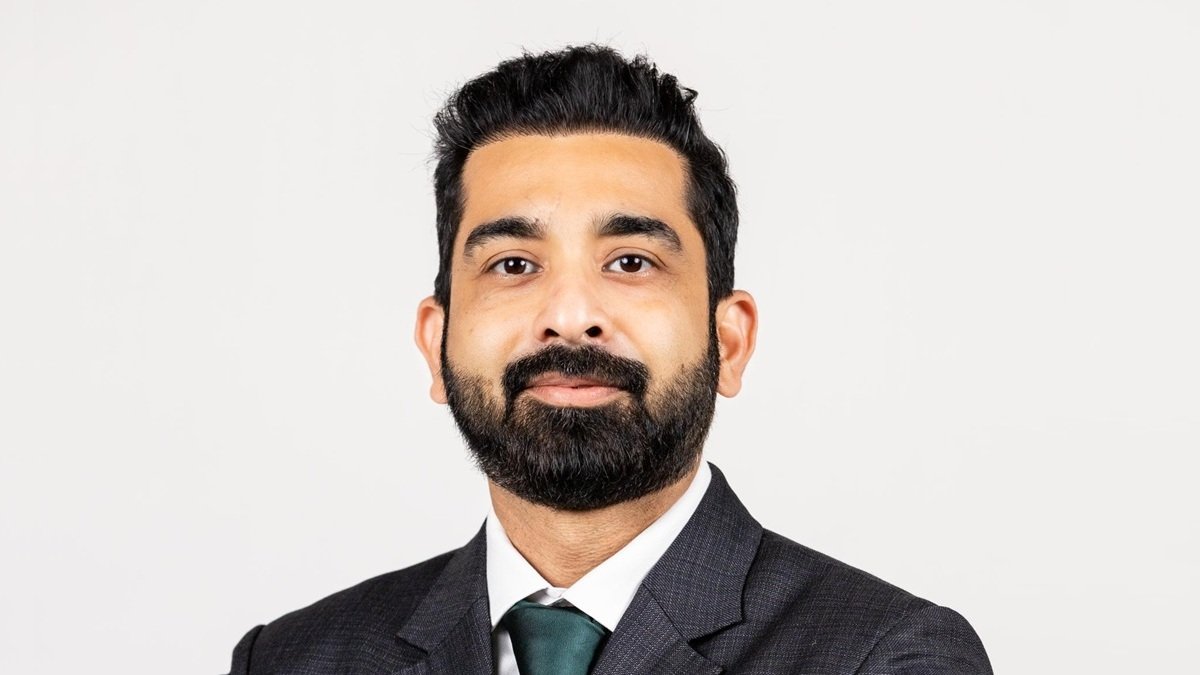
Daikin: “AI-Ready, Energy-Efficient Cooling”
With rising AI workloads and digital sovereignty mandates, cooling and energy efficiency are critical. “We are focused on enabling AI-ready, high-density environments with modular, scalable cooling and intelligent controls,” says Rajneesh Velutha Kunnath, UAE Data Center and District Cooling Senior Section Manager at Daikin. “Our solutions balance performance, resilience, and sustainability while addressing power constraints and ESG requirements. Collaborating with utilities and policymakers, we ensure future-proof, sovereign data centers. By implementing lifecycle services, monitoring, and adaptive cooling, organizations can maintain operational efficiency while meeting regulatory and sustainability goals. Energy optimization, AI-ready infrastructure, and high-density cooling strategies are key to supporting the growing demands of MENA’s data center landscape in 2026.”
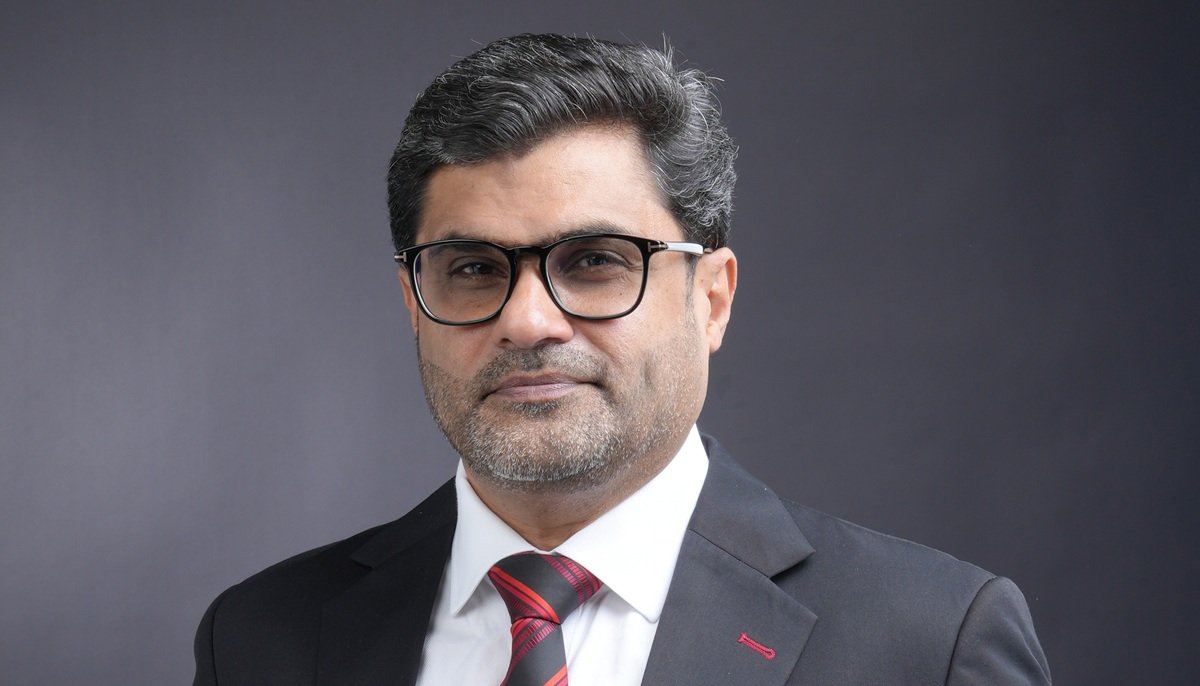
Western Digital: “Scalable Storage for AI Workloads”
AI and cloud adoption are fueling data growth, driving demand for storage solutions that are efficient, scalable, and reliable. Owais Mohamed, Regional Lead and Sales Director for the Middle East, Turkey, Africa and the Indian Subcontinent at Western Digital, explains, “Enterprises in the Middle East are generating unprecedented volumes of structured and unstructured data. Our high-capacity HDDs and disaggregated NVMe-oF solutions allow customers to consolidate more data per footprint, optimize energy usage, and scale compute, GPU, and storage independently. By aligning architectures with local guidelines and total cost-of-ownership priorities, we support sovereign clouds and hybrid environments. Storage efficiency, energy optimization, and performance consistency are critical to meeting AI workload demands sustainably. Our modular platforms enable enterprises to scale capacity and maintain long-term reliability while aligning with sustainability and regulatory objectives.”
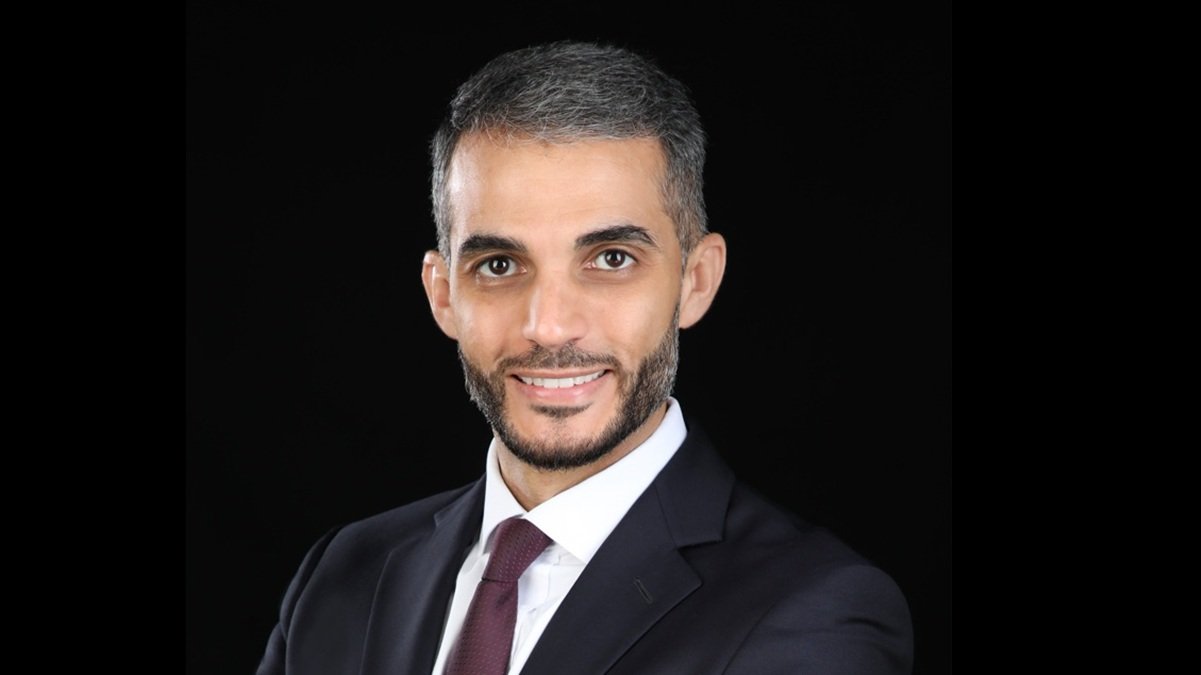
HPE: “AI-Native and Composable Data Centers”
Demand for high-performance AI workloads is stressing traditional racks, requiring next-gen infrastructure. “We are designing modular and pre-integrated data centers with high-bandwidth fabrics and AI-assisted management,” says Mohammad Al-Jallad, Chief Technologist & Director, HPC & AI Global Sales, HPE. “Performance-optimized Data Centers (PODs) and Micro-Hyperscalers bring AI workloads closer to users while ensuring predictable performance. Automation and composable infrastructure simplify operations, allowing IT teams to focus on strategic initiatives. These AI-native centers feature closed-loop systems that predict failures, auto-tune performance, and negotiate energy usage. By integrating energy-efficient infrastructure and advanced advisory services, HPE enables enterprises to scale AI while meeting sustainability targets and addressing workforce and skill shortages in 2026.”
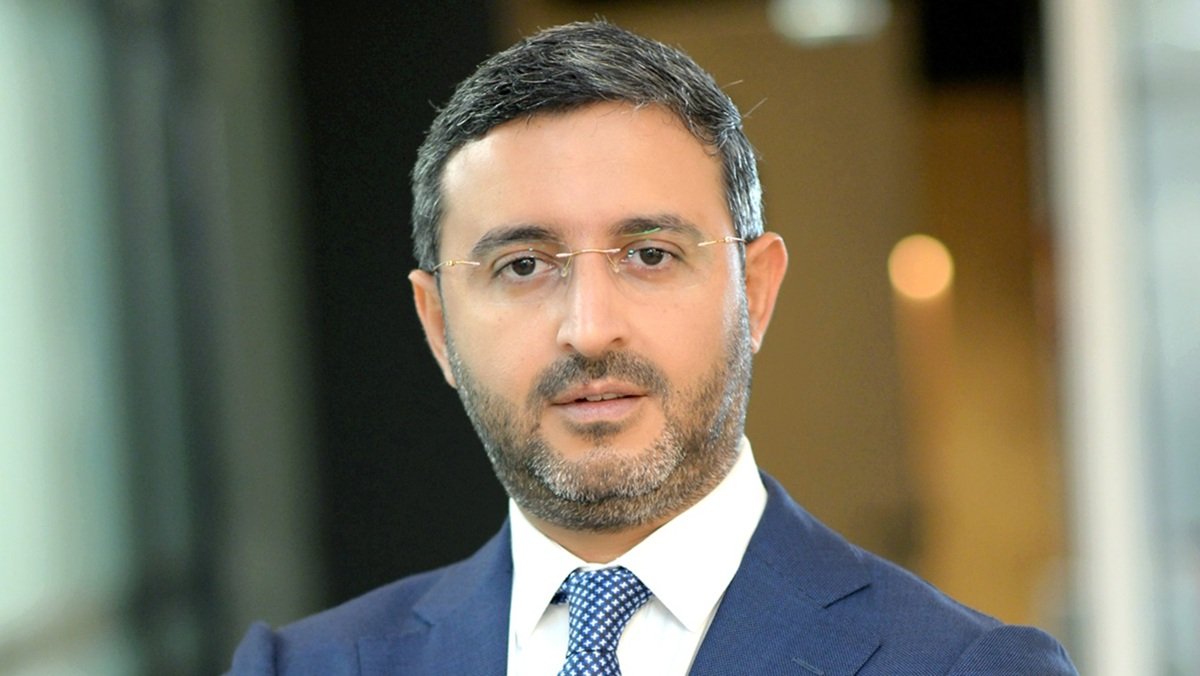
Vertiv: “High-Density AI-Ready Modular Infrastructure”
AI and GPU-intensive workloads require high-density infrastructure with advanced cooling and power management. “Vertiv’s modular, prefabricated solutions reduce deployment time by 50% while integrating UPS and liquid cooling for AI loads,” says Mahmoud Abdelmoneim, Sales Director for Middle East & Levant, Vertiv. “Our designs enable rapid, scalable deployments in challenging MENA environments. We invest in R&D, local manufacturing, and partner training to ensure readiness for evolving AI infrastructure demands. By providing comprehensive, high-performance, and energy-efficient solutions, Vertiv empowers enterprises to meet compute-intensive workloads, sustainability goals, and operational resilience in 2026. Modular, AI-ready designs will define next-generation data centers across the region.”
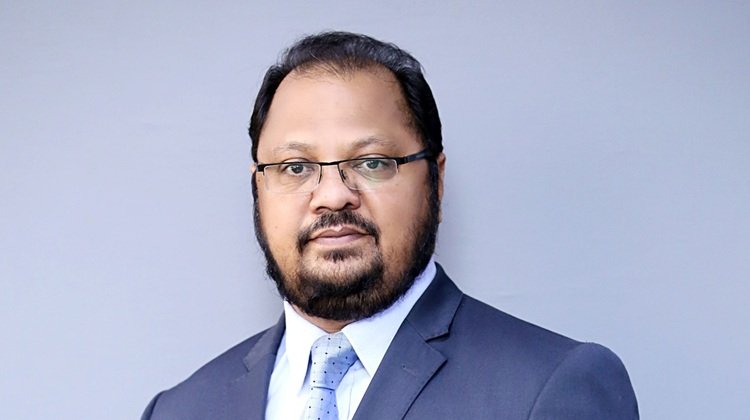
AmiViz: “AI-Powered Security and Sovereign Data Centers”
Security, compliance, and hybrid deployments are central to data center growth. “AI and machine learning workloads are driving demand for scalable, high-performance infrastructure,” says Ilyas Mohammed, COO at AmiViz. “We are expanding AI-powered cybersecurity, zero trust architectures, and post-quantum cryptography to secure hybrid and multi-cloud environments. Partner-led managed services and integrated demos help bridge skills gaps while accelerating adoption. By focusing on resilience, compliance, and sustainability, we enable enterprises to deploy AI workloads confidently. Regulatory complexity, cybersecurity threats, and rapid AI evolution make integrated, scalable, and future-ready security solutions essential to supporting the next wave of digital infrastructure in the MEA region.”
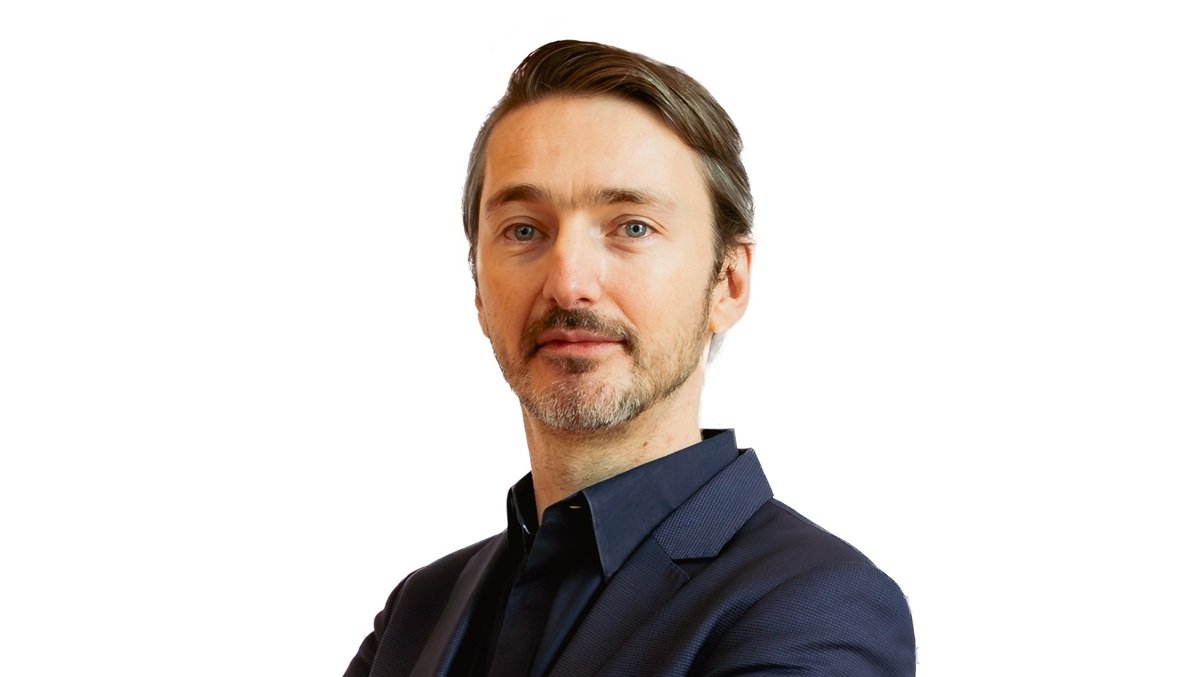
Pure Storage: “Energy-Aware and Sustainable Deployments”
Energy availability and efficiency will dictate data center location and design in 2026. “Colocation of energy generation with data centers is increasingly critical due to electricity scarcity,” says Fred Lherault, CTO EMEA/Emerging, Pure Storage. “District heating solutions are emerging, redirecting waste heat to residential or agricultural applications. Efficiency metrics like Terabytes per Watt (TBe/W) offer vendor-neutral benchmarks to guide design choices. By optimizing storage efficiency and energy consumption, enterprises can reduce operational costs and environmental impact while ensuring resilience. Energy-conscious infrastructure, integrated with renewable generation and smart management, will define sustainable, high-performance data centers capable of supporting AI and hyperscale workloads across MENA.”

ESET: “AI-Driven Cybersecurity and Resilient Infrastructure”
Increasing AI workloads and hybrid deployments intensify the need for robust cybersecurity. “Enterprises require scalable, resilient, and secure infrastructure to support AI and cloud operations,” says Ali AlJuneidi, Regional Sales and Business Development Manager at ESET. “We are enhancing XDR capabilities, applying machine learning to threat detection, and optimizing cloud-based management. Automation and integrated threat intelligence reduce operational overhead and allow rapid response to evolving risks. Cyber resilience, regulatory compliance, and energy-efficient deployment are essential for sustainable, secure operations. By combining AI-driven security with robust infrastructure design, organizations can meet 2026’s evolving performance, sustainability, and regulatory challenges while protecting critical data assets in an increasingly complex digital ecosystem.”
Conclusion
The MEA data center market in 2026 will be defined by AI adoption, energy efficiency, sovereign cloud initiatives, and modular scalability. With investments projected to reach nearly USD 20 billion by 2030, hyperscale facilities, edge deployments, and AI-ready infrastructure will drive the region’s digital transformation. Leaders across Schneider Electric, DDN, TechBridge, Dell, Eaton, Daikin, Western Digital, HPE, Vertiv, AmiViz, Pure Storage, and ESET are preparing through advanced cooling, modular designs, AI-powered management, sustainable energy solutions, and robust cybersecurity architectures. By addressing power constraints, operational efficiency, talent shortages, and regulatory compliance, the MEA region is positioning itself to lead the global AI and cloud revolution while delivering resilient, high-performance, and sustainable data center ecosystems.